
What to Do After a Car Accident: A Step-by-Step Guide
The evidence you gather at the roadside can determine how smoothly your insurance claim progresses. Whether the accident is minor or serious, following the right steps in the correct order can help protect your legal position, strengthen your claim, and ensure you’re properly compensated.
This guide explains exactly what to do immediately after a road traffic accident.
Why the First 30 Minutes Matter So Much
Most people have never experienced a road traffic accident, and even fewer know exactly what to do when one happens.
In the moments after a collision, adrenaline can make it difficult to think clearly. Other drivers may be upset or unwilling to cooperate, and there’s often pressure to move vehicles and leave the scene as quickly as possible.
However, the actions you take during the first 30 minutes can significantly affect:
- Whether liability is disputed.
- How quickly your claim is resolved.
- The amount of compensation you receive.
- Your ability to recover repair costs, replacement vehicle costs and injury-related losses.
Follow the steps below carefully.
Step 1: Stop Safely and Check for Injuries
Your first priority should always be safety.
If it’s safe to do so, move your vehicle away from live traffic into a safer location such as:
- A hard shoulder.
- A side road.
- A nearby car park.
If your vehicle cannot be moved, switch on your hazard warning lights immediately.
If you’re on a motorway and it is safe to leave the vehicle, move yourself and any passengers behind the safety barrier or as far away from moving traffic as possible.
Check yourself and everyone else in your vehicle for injuries before doing anything else.
Remember that adrenaline can hide symptoms immediately after an accident. Pay attention to:
- Neck pain.
- Back pain.
- Dizziness.
- Confusion.
- Headaches.
If anyone is injured—or you’re unsure—call 999 immediately.
Step 2: Call the Police if Required
You should report the accident to the police if:
- Anyone has been injured.
- The other driver leaves without exchanging details.
- You believe the other vehicle is uninsured.
- There is a dispute about what happened.
- A vehicle is blocking the road or requires recovery.
If none of these situations apply, police attendance may not be necessary. However, if you’re unsure, you can contact 101 for advice.
Step 3: Exchange Details Properly
Exchange the following information with every driver involved—not just the driver you believe caused the accident.
- Full name.
- Telephone number.
- Home address.
- Vehicle registration number.
- Vehicle make and model.
- Insurance company.
- Insurance policy number.
- Driving licence details (if both parties are comfortable sharing them).
If the driver is not the registered keeper of the vehicle, obtain the registered keeper’s details as well.
If the other driver appears reluctant to cooperate or attempts to leave, photograph their registration plate before they depart.
Step 4: Gather Evidence Before It Disappears
Evidence at an accident scene can disappear within minutes.
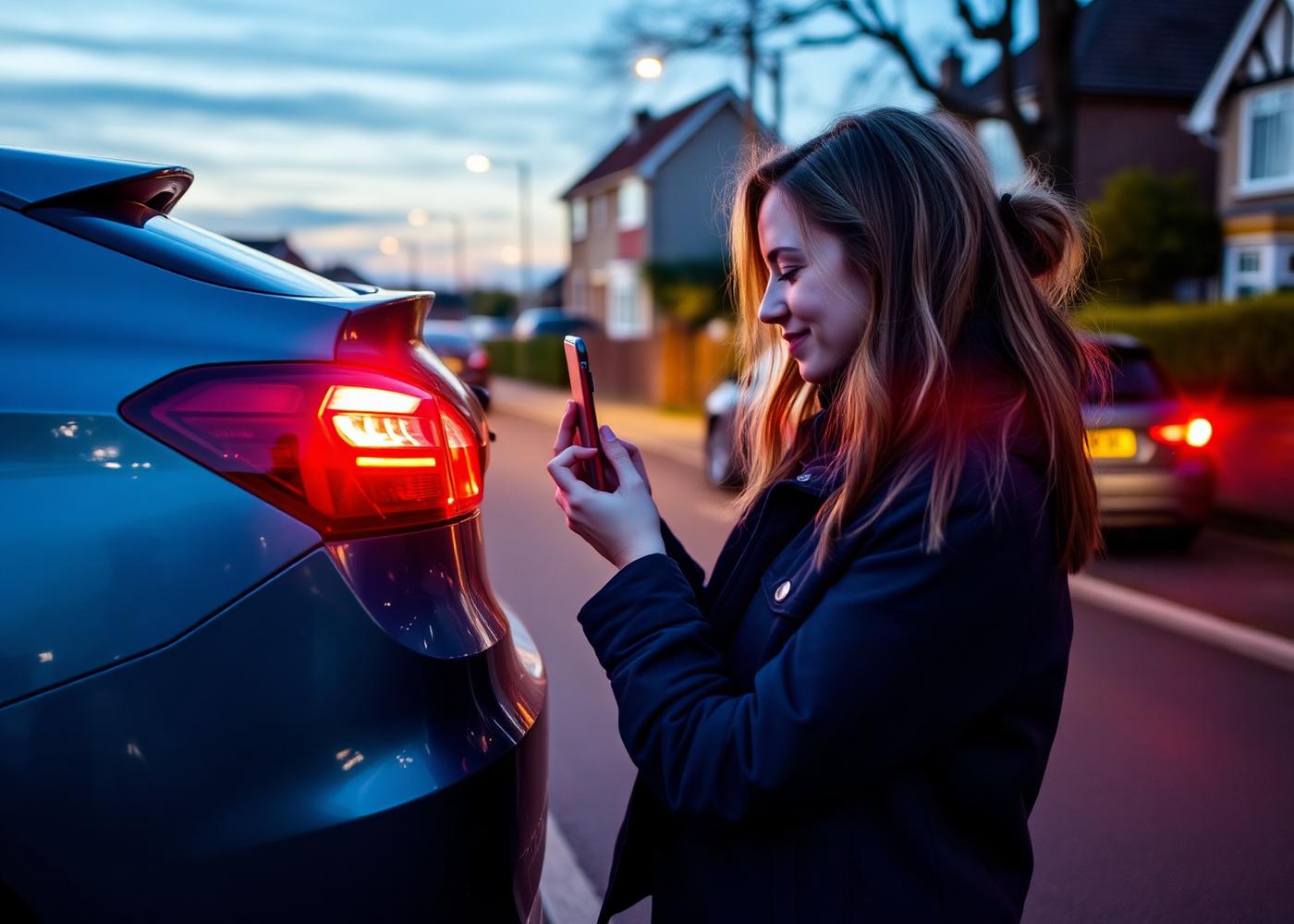
Before vehicles are moved, take photographs and videos showing:
- The position of all vehicles.
- The surrounding road layout.
- Junctions and road markings.
- Traffic lights and road signs.
- Damage to every vehicle involved.
- Skid marks.
- Road debris.
- Weather conditions.
- Lighting conditions.
- Standing water or hazards.
If anyone witnessed the accident, politely ask for:
- Their full name.
- Telephone number.
- Email address (if available).
An independent witness can be invaluable if liability is later disputed.
If your vehicle has a dashcam, immediately lock or save the footage so it cannot be overwritten.
Step 5: Record What Happened While It’s Fresh
As soon as things have settled, make notes on your phone or record a voice memo describing the accident.
Include:
- Date and time.
- Exact location.
- Road name.
- Direction each vehicle was travelling.
- Your actions immediately before the collision.
- What the other driver did.
- Anything the other driver said, especially admissions of responsibility.
Memories change surprisingly quickly after stressful events.
Notes made within the first hour are usually far more reliable than those written days later.
Step 6: Don’t Admit Fault
It’s natural to apologise after an accident, even when it wasn’t your fault.
However, avoid saying things such as:
- “I’m sorry.”
- “I didn’t see you.”
- “It was my fault.”
Remain polite and cooperative, but stick to factual information rather than discussing who caused the collision.
Liability should be determined later using the available evidence.
Step 7: Have Your Vehicle Professionally Assessed
Before arranging repairs yourself, ensure the damage has been inspected and recorded.
An independent engineer’s assessment helps:
- Document all accident damage.
- Confirm repair costs.
- Support your insurance claim.
- Prevent future disputes over the extent of the damage.
Step 8: Report the Accident and Start Your Claim
Ideally, report the accident within 24 hours.
How you begin your claim can affect:
- Your insurance excess.
- Your No Claims Discount.
- Your entitlement to a replacement vehicle.
- The overall speed of your claim.
Seeking advice before committing to a particular claims process can often result in a smoother experience.
A Simple Accident Checklist
Keep this checklist in your glovebox or save it on your phone.
- Stop safely and switch on your hazard lights.
- Check everyone for injuries.
- Call 999 if anyone is injured or the road is blocked.
- Exchange full details with every driver involved.
- Take photographs and videos of the accident scene.
- Collect witness contact details.
- Lock and save your dashcam footage.
- Write down exactly what happened.
- Avoid discussing fault.
- Report the accident and begin your claim promptly.
The Bottom Line
Being involved in a road traffic accident is always stressful, but staying calm and following these steps methodically can make a significant difference to the outcome of your claim.
Good evidence collected during the first 30 minutes is often the single biggest factor in resolving a claim quickly, fairly and successfully.
Need Help After an Accident?
If you’ve recently been involved in a road traffic accident, don’t wait.
Contact our team as soon as possible. The earlier we’re involved, the more we can do to protect your position, preserve valuable evidence and help you achieve the best possible outcome.
Keep reading
-
Dashcam Evidence: How UK Insurers Actually Use Your Footage
How Dashcam Footage Strengthens Your Accident Claim Dashcam footage wins disputed liability cases—but only when it is preserved correctly in the first few hours after an accident. Here’s what actually happens to your dashcam clip once you submit it, and how to make sure it works in your favour. Why Dashcam Footage Has Become So […]
-
The Complete Guide To Replacement Cars After An Accident
Courtesy Car, Credit Hire or Like-for-Like Replacement? What’s the Difference? Courtesy car, credit hire, or like-for-like replacement? They are not the same thing, and the difference matters—often to the tune of hundreds or even thousands of pounds, as well as how mobile you and your family remain while your car is off the road. This […]
