
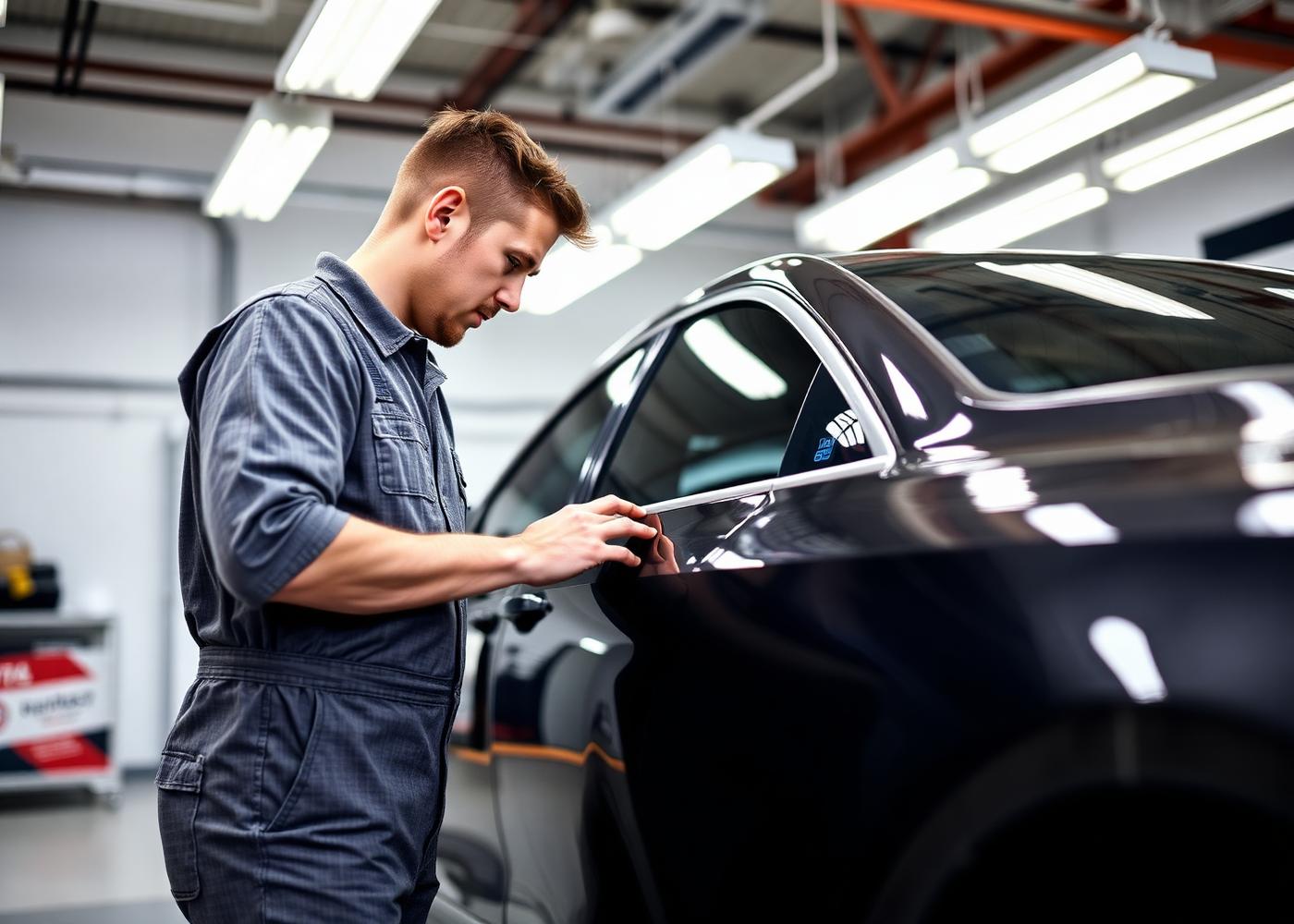
How Long Do Accident Repairs Take? A Realistic Timeline
Parts supply, courtesy inspections and insurer authorisation all add time to an accident repair. While every repair is different, understanding the process can help you know what to expect—and why some repairs take longer than others.
This guide explains the typical repair journey, realistic repair times based on the type of damage, and the factors that most commonly delay getting your vehicle back on the road.
Why “It Depends” Is the Honest Answer
One of the first questions drivers ask after an accident is:
“How long will my car be off the road?”
The honest answer is that every repair depends on several factors working together.
Your repair timeline is influenced by:
- Vehicle inspection.
- Engineer assessment.
- Insurer authorisation.
- Parts availability.
- The bodyshop’s workload.
- The complexity of the repair.
If any one of these stages is delayed, the entire repair process moves back.
The Accident Repair Process
Step 1: Initial Vehicle Assessment (1–3 Days)
Once your claim has started, an engineer will inspect your vehicle to assess the damage and prepare a repair estimate.
For minor accidents, this may be completed using photographs.
More serious damage—particularly structural or mechanical damage—normally requires a physical inspection.
Step 2: Repair Authorisation (2–7 Days)
Before repairs can begin, the repair estimate must be approved.
If liability has already been accepted, approval is often straightforward.
If fault is disputed or additional information is requested, this stage can take considerably longer.
This is one of the most common causes of repair delays.
Step 3: Ordering Replacement Parts (1–20+ Days)
Parts availability is often the biggest variable in the entire repair process.
Common parts for popular vehicles are usually available quickly.
However, delays can occur if parts are:
- On back order.
- Imported from overseas.
- Specific to performance or specialist models.
- Required for older vehicles.
Step 4: Vehicle Repair (1–10 Days)
Once all parts arrive, the repair work begins.
This may include:
- Panel replacement.
- Bodywork repairs.
- Painting.
- Mechanical repairs.
- Vehicle reassembly.
Paint drying and curing times cannot be rushed without affecting the quality of the finish.
Step 5: Final Quality Inspection (1–2 Days)
Before your vehicle is returned, technicians complete a final inspection to ensure:
- Repairs meet manufacturer standards.
- Paint quality is correct.
- Panels are properly aligned.
- Safety systems operate correctly.
Only once these checks have been completed is the vehicle ready for collection.
Typical Repair Times by Damage Type
Minor Cosmetic Damage
Typical repair time: 3–7 days
Examples include:
- Small dents.
- Minor scratches.
- Scuffed bumpers.
Moderate Panel Damage
Typical repair time: 7–14 days
Examples include:
- Bumper replacement.
- Wing repairs.
- Headlight replacement.
- Single-panel resprays.
Major Structural Damage
Typical repair time: 14–28 days
Repairs involving:
- Chassis damage.
- Structural alignment.
- Suspension mounting points.
- Multiple damaged panels.
These repairs require specialist equipment and extensive quality checks before the vehicle can safely return to the road.
Repairs Involving ADAS Systems
Modern vehicles often include Advanced Driver Assistance Systems (ADAS), such as:
- Parking sensors.
- Radar sensors.
- Lane assist cameras.
- Emergency braking systems.
If repairs affect these systems, recalibration is normally required after repairs are complete.
This usually adds an additional 1–3 days.
ADAS calibration should never be skipped, as incorrect calibration can affect the safe operation of these systems.
Total Loss (Write-Off) Assessments
If the vehicle is beyond economical repair, the process becomes a valuation rather than a repair.
Typical settlement period: 7–21 days
The overall timescale depends on:
- Vehicle valuation.
- Evidence of pre-accident condition.
- Agreement from the at-fault insurer.
What Causes the Biggest Delays?
Liability Disputes
If fault has not yet been accepted, repairs often cannot proceed until liability has been established.
Providing clear evidence early—including photographs, witness statements and dashcam footage—can help speed up this stage.
Bodyshop Availability
Quality repair centres are often busy.
Waiting slightly longer for an experienced repairer is generally preferable to choosing the first available appointment at a less reputable bodyshop.
Specialist Parts
Performance vehicles, modified vehicles and uncommon models frequently require specialist parts that take longer to source.
Hidden Damage
Sometimes additional damage is discovered once technicians begin dismantling the vehicle.
If this happens:
- A revised estimate is prepared.
- Further insurer approval may be required.
- Additional parts may need to be ordered.
Although frustrating, this ensures repairs are completed correctly rather than cosmetically covering hidden damage.
How to Help Keep Your Repair Moving
- Choose a reputable repairer with experience repairing your type of vehicle.
- Ensure your claims handler is actively following up repair authorisation.
- Ask for regular updates throughout every stage of the repair.
- Allow sufficient time for paintwork and quality inspections to be completed properly.
- Don’t rush safety checks simply to collect your vehicle sooner.
The Bottom Line
There is no fixed answer to how long accident repairs take.
The overall repair time depends on:
- The extent of the damage.
- How quickly liability is established.
- Parts availability.
- The repair centre’s workload.
- Any hidden damage discovered during repairs.
Understanding each stage of the repair process helps you ask the right questions, manage expectations and avoid unnecessary frustration.
Having access to a suitable replacement vehicle throughout the repair period can also make the process significantly less disruptive to your daily life.
Need Help Managing Your Vehicle Repair?
If your vehicle is currently off the road following an accident, our team can help.
We’ll actively manage your repair, keep you informed at every stage and ensure you remain mobile while your vehicle is being repaired or replaced.
Keep reading
-
Dashcam Evidence: How UK Insurers Actually Use Your Footage
How Dashcam Footage Strengthens Your Accident Claim Dashcam footage wins disputed liability cases—but only when it is preserved correctly in the first few hours after an accident. Here’s what actually happens to your dashcam clip once you submit it, and how to make sure it works in your favour. Why Dashcam Footage Has Become So […]
-
The Complete Guide To Replacement Cars After An Accident
Courtesy Car, Credit Hire or Like-for-Like Replacement? What’s the Difference? Courtesy car, credit hire, or like-for-like replacement? They are not the same thing, and the difference matters—often to the tune of hundreds or even thousands of pounds, as well as how mobile you and your family remain while your car is off the road. This […]
